According to the National Safety Council (NSC), the home is the most common place where accidents happen. Falls are the leading cause, and while they can affect people of all ages, the risk increases as we grow older. For older adults who want to live independently at home, safety is key—not just to help prevent accidents, but also to support a better quality of life. In the kitchen, thoughtful design solutions can help reduce the risk of burns, slips, and falls. From smart tech and lighting upgrades to burn prevention strategies, there are plenty of ways to make the kitchen a safer space.
The Role of Efficient Lighting
Today’s kitchens are being designed with safety top of mind. As Shyamala Prabhu, Principal Architect at Aakruti Architects and Designers, puts it, “The modern kitchen has evolved in a way to take care of all age groups. For example, appliances with a soft touch and soft closing are very safe even for senior citizens to use.” She also highlights the value of incorporating technology, pointing out that voice-activated appliances can be especially helpful for older adults who want to maintain independence in the kitchen. With the help of smart technology, seniors can set timers, operate small appliances (like a coffee maker), and even control lighting with their voice or the press of a button—making modern kitchens more accessible for people with limited mobility or disabilities.
Design choices like lighting can take accessibility and safety even further. Though it may seem simple, proper lighting makes it easier to spot hazards like clutter or spills. For someone with vision impairments, better lighting can make it easier to follow recipes and avoid accidents. Specialized lighting, like recessed or track lighting, helps brighten typically dark areas—like corners or under cabinets—while accent lighting on countertops improves visibility during both day and night. Drawer lighting can also be helpful, especially when trying to find utensils or tools in crowded or deep drawers.
Smart lighting solutions also support better organization by making frequently used items easier to see and grab. Kitchen aids that promote safety and independence—like Anti-Slip Cutlery Grips or Antimicrobial CupCaps—can be hard to locate in a cluttered space. But with a lit drawer or clearly marked basket on the counter, they’re easy to find and always within reach. The same applies to practical items like Anti-Slip Cup Holders or Anti-Slip Coasters, which can make simple tasks—like enjoying a cup of tea at night—safer and more convenient.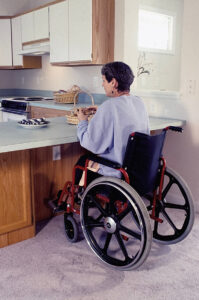
From Burn Prevention to Fire Safety
Burns are one of the most common kitchen injuries—but many are easily preventable with smart design choices. Innovative kitchen products, like Extreme Super Grip Adhesive Mats, are great for safely carrying hot trays, tea, or soup without slipping. But going beyond quick fixes and looking at the overall kitchen layout can reduce the risk of injury even more. For instance, a Houzz article recommends placing your microwave at counter height to avoid bending or reaching overhead—both of which can lead to spills or burns when handling hot food.
Non-slip floor mats are another effective way to reduce the risk of burns, especially since hot pots, liquids, and dishes are often moved between the stove and countertop. When choosing a floor mat, it’s important to consider both comfort and safety—especially if you spend a lot of time standing in the kitchen. Slip-resistant, anti-fatigue mats are a great option for preventing slips while also providing support for your feet and lower back. When it comes to stove safety, adding high-heat limiting burner covers and an in-hood fire suppression system can provide peace of mind. A reliable kitchen fire extinguisher is also a must-have.
Encouraging Healthy Activities — the Kitchen Garden
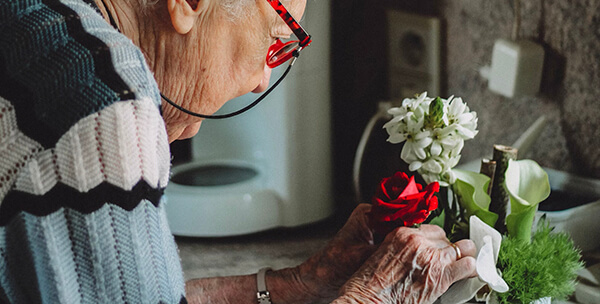
Adding greenery to your home can promote independence and well-being, especially when outdoor gardening becomes difficult due to uneven ground or mobility challenges like arthritis. Indoor plants offer a low-maintenance way to stay active, engaged, and connected to nature. And the benefits go beyond aesthetics—research published in the Journal of Physiological Anthropology shows that indoor plants can help people feel more relaxed and comfortable in their environment.
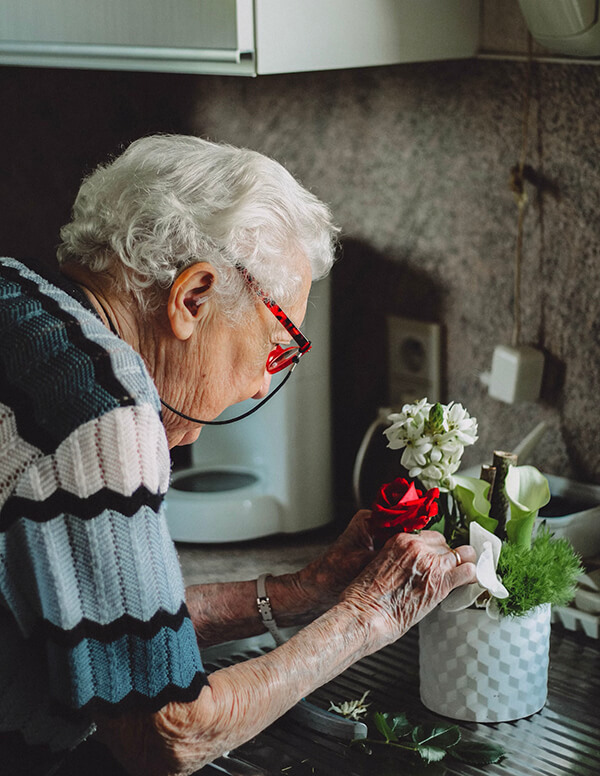
Healthline also highlights several additional perks: houseplants may improve focus, offer therapeutic value, and even support quicker recovery from illness. Caring for a small indoor garden is a great way to stay physically and mentally active at home—and with a few smart adjustments, it can be both safe and enjoyable for older adults.
If your kitchen doesn’t allow for safely incorporating plants, moving them to the living room is a great alternative. In smaller spaces, using vertical space is key to keeping plants off the floor and reducing clutter. This is especially important considering that, according to the National Safety Council (NSC), more accidents happen in the living room than in any other room of the home. With that in mind, a macramé plant hanger is a smart solution—and you can even make one yourself with a DIY kit. Wall-mounted shelves are another excellent option for creating a dedicated indoor garden area while keeping walkways clear and reducing trip hazards.
Staying safe is essential for maintaining independence as we age, and the kitchen is just one area where cuts, burns, and other injuries can occur. That’s why thoughtful home design matters. Simple updates like better lighting and the safe incorporation of hobbies can make a big difference for anyone looking to live independently and safely at home.